This blog, Sustainable Life In Action, began in 2018, to foster sustainable activism and grow a caring community among activists. Following the tragic loss of a fellow activist, the author emphasizes the importance of addressing mental health challenges in activism. They advocate for self-care, community support, and a balanced approach to activism beyond constant struggle.
All year I’d been doing well with posting weekly, then came this cancer thing. It’s been just over two months since my mastectomy and nearly a month since my last post. I’m now entering what is called the “survivorship phase.” It’s a sort of silly title to me. I’m still waiting for it all to become real in my mind. How can you be surviving something that doesn’t seem quite real?
I thought I was really rocking it, doing great when I walked along with my dog walkers starting the day after I came home from the hospital, did my first post-surgery 5k (at a walking pace) just two weeks later, and started to run again shortly after.
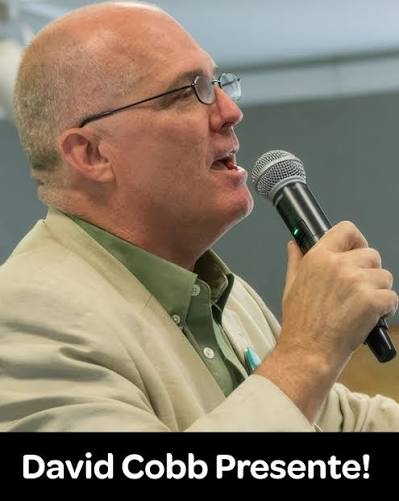
Then I had my first seizure in about four months (a long time for me) and another a few weeks later, started to have major fatigue that left me so exhausted that I could barely walk to the bus stop much less run a mile or more, along with all this I got a bakers cyst in my knee that left me limping and occassionally sent me a shot of pain if I bent wrong or got bumped by one of the toddlers that I work with. Then a dear friend and fellow activist, David Cobb, died.
I’d not seen David in several years. I live in the Midwest and he lived on the West Coast. His passing hit me hard. He’d given so much to the movement, took on so much, did such amazing work. He wasn’t the first fellow activist I’d known who’d died far too young. All held some things in common. They’d pushed too hard, giving their all to making the world a better place. They’d changed the world at the cost of themselves. They were seen by others as strong and sometimes larger than life.
I can see it in myself. I walked a 5k two weeks after surgery. I agreed to sit on the board of WORT 89.9fm just a few weeks before my surgery and, in fact, agreed to be vice-president and to chair the policies and bylaws committee along with being part of the personnel committee and taking on a variety of “fix-it” projects for the station as I began my cancer journey. All of this while going back to work full-time with toddlers! I recognize the need in myself to be strong, to create positive change, to be an activist and leader.
There’s my challenge. My body is saying no. My body is asking, in fact pleading with me, to redefine myself. It is hard for my mind, heart, and maybe even soul to do. Who am I now? How do I create good in the world without destroying myself? I suppose it’s a question that many of us ask ourselves at different points in our lives. For now the answers lead me to writing my blog and rocking babies and letting go of big pieces of my activist life. I was both saddened, relieved, and a bit guilt stricken to leave the WORT 89.9fm board when I realized the impacts it was having on my body. I was, and sometimes still am, angry with myself for not being able to do it all anymore. Still, I am thankful and proud to recognize this in myself before it’s too late too. Becoming a new self is a complicated journey. I welcome your insights on how you are redeveloping yourselves and how this process has helped you become the you for this time in life.
The author expresses their ongoing struggle to maintain a regular blogging schedule while reflecting on personal growth through writing. They share experiences with health challenges, including cancer and epilepsy, and the complexities of handling emotions like fear, appreciation, and guilt.
It’s been almost two and a half months since I first got my diagnosis. In two days it will be one month since my mastectomy. In some way it seems a lifetime ago. I am who I was and yet I am not. Each day … Continue reading My Cancer Journey 8-25-26
It’s been over a week now since Madison police killed Corey Ruiz at the corner of Williamson and Baldwin streets. The vigil honoring the life of Ruiz and all the victims of police violence has continued to block the corner since then. There are many feelings arising in the neighborhood and the city. Being that I’ve been recovering from surgery all week I’ve not gotten to spend much time at the vigil, or anywhere else beyond my apartment for that matter, but still my inner organizer/activist is feeling the need to grapple with some questions and thoughts. I can only hope that my writing might help some others dig deeper into their own hearts and minds as well.
I find myself wondering what would justice look like? We can’t bring Corey or any of the many other victims back to life. We can’t make the lives of those killed by the police better. We can’t change their situation in life now. It’s done. They are gone.
But, they did live and by that mere fact they deserve to be remembered in some way, as we all do. Coming together in mourning of their passing and celebration of the fact that they lived is important. But, I think of the many cultures who don’t speak the name of those who’ve passed, who don’t hang their photos, or continue to gather in their memory once they are sent on their way. Many cultures believe that such actions that hold tight to the person lost prevent their soul from reaching their final glory. I wonder how we can let Corey reach his final glory? Is the vigil still honoring him and others or is it holding them back?
What do we seek? Flowers and drawings and monuments are beautiful, but do they assure that no one else will experience the same end?
I keep remembering an old friend of mine who some years ago was suffering from some significant, untreated mental health issues. We were at a meeting together when he stabbed someone in the chest. Thankfully, the wound wasn’t life threatening. More thankfully, everyone in that room recognized the stabbing wasn’t a crime. It was a result of illness and things not working in life for a person. No one saw a criminal. We saw someone who needed care and support. I am thankful that my friend was able to get that care and support to allow him to address his illness and get his life back on track.
Corey, and so many more in Madison and everywhere, face life challenges whether that be mental health issues, joblessness, homelessness, poverty, or so many other issues that we, as a community, need to change if we are to expect any different outcomes. Yes, we need to police the police. Yes, it’s important to expect only the best from our law enforcement officers. But really, that’s all slogans and slogans don’t mean much. What I’m wondering is what happens when the vigil space is taken down? Who is committing themselves to living lives that change us all for the better? We’re not going to get any answers this week or next. Even if laws change, the world won’t unless we operate every day in ways that live out what we believe is right. Vigils and protests are important, but what’s really important is the work that goes on in the day to day. It’s those times when we can see the person and what has made them. That’s where the change will happen.
I saw a post somewhere recently making a comparison between the vigil at Willy and Baldwin to the Montgomery Bus Boycott. I just shook my head. Rosa Parks sitting on the bus didn’t just happen. She was a trained and well prepared activist working with others who’d been fighting segragation for years before that fateful day. She didn’t win anything that day either. It took 381 days for the busses to finally be technically desegrated and generations more for the White and Black people to even start to really come together. The road is long and it is hard. Now, how can we travel forward?
Just thinking about a panel discussion last night regarding the ICE invasion of the Twin Cities and asking myself– what would I do in that situation? What are the roles that we might each hold?
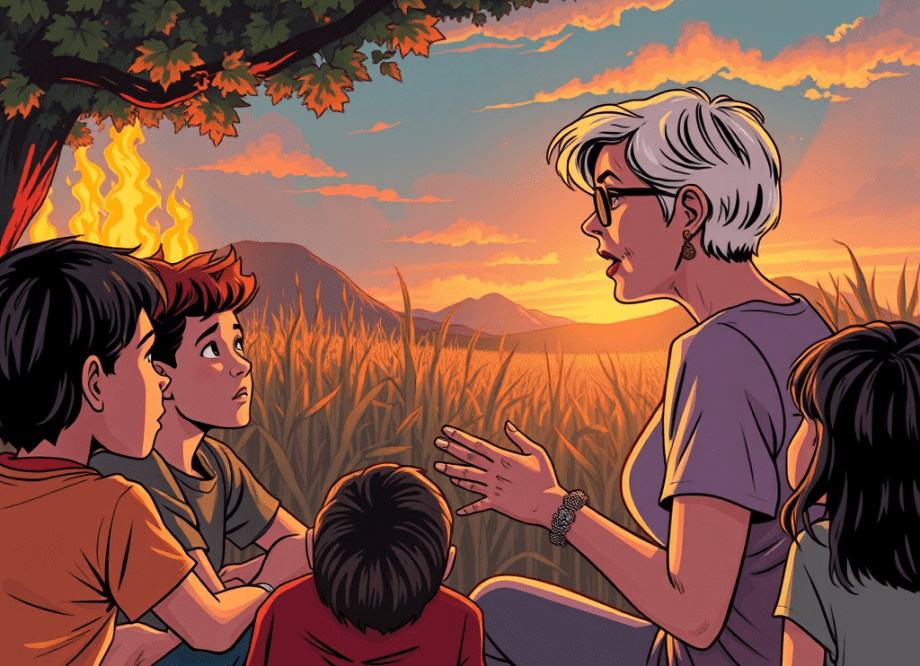
The author reflects on their journey as an activist, highlighting impactful moments and mentors. Memories of witnessing hardship in their community, including barn fires and cancer’s toll, shaped their passion for change. Influential figures, such as Walt Bresette and Frannie VanZile, inspired them to advocate for future generations and empower communities.
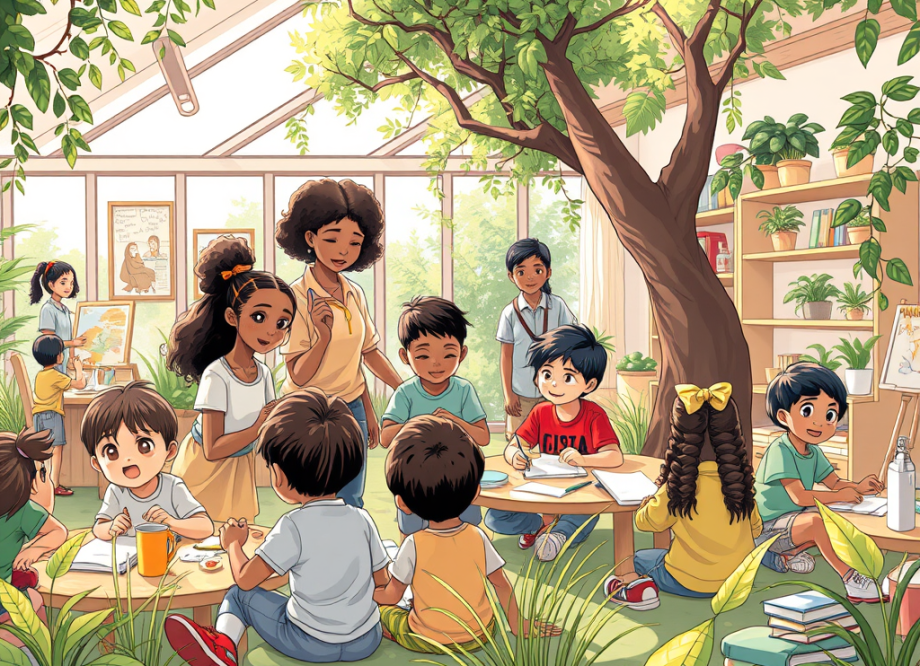
There is a great deal of talk these days about how are schools are failing, how students can’t read, how teachers are leaving. As someone who’s worked in education in one form or another for much of my adult life, working with people from infants … Continue reading The Ideal School
We are in a hard time of struggle both internal and external. It is a time to find our something to hold on to that keeps us safe while we grow strong with love.
I got hit in the face this past week. I’m a special education teacher these days, so in my current line of work while that’s unexpected it’s also very much expected. It’s basically just a bad day at work.
Over the past few years I’ve been hit, kicked, shoved, scratched, bitten, sworn at, threatened, had desks, chairs, and all sorts of other stuff thrown at me, and dealt with and been covered in just about every bodily fluid elementary school students can excrete, not to mention being covered in all the globs of macaroni and cheese or whatever other food is on the menu. So, why note getting hit? It wasn’t a bad punch. It knocked off my glasses, but didn’t break them or even leave a physical mark. It was one of those hits that came at the wrong time though and for that moment I broke into tears.
It happens to all of us who work in our schools today, especially in schools like mine that serve significant populations of students who are from low income families, struggle with maintaining housing and paying their bills, and who often have generations of history that tell them school success isn’t meant for them. Eventually, our hearts break.
I felt the tears come to my eyes as soon as the student’s hand hit my cheek. I knew I needed support to address the situation, so I called on a staff member in the hall nearby to takeover and I walked as quickly as I could to the office space I share with the other special education teachers at my school. I was crumbling. I was a broken mirror in which each of my colleagues could see themselves. One went to get ice and a health care staff person to check my cheek. The others each offered support and let me cry out my tears. They created a safe space for me for which I will always be thankful.
The hit hurt not because of the hand that landed on my cheek, but because I’d spent my day, like more and more days lately, trying to help not only this student but others, my students who simply don’t have the emotional skills to handle being homeless or dealing with any other horrendous and unfair situations they and their families are in. So often their emotions fly all over. One moment they seem to be fine, calm and settled. The next they’re screaming and throwing chairs. It worsens as their life situations become more chaotic and all I can do so often is just try to be that steady safe person they can trust. That can be good and it can be hard. After all, I’m the one they know won’t hit back. They can show their anger, fear, and sorrow, and it hurts.
It’s tiring. I don’t know how to change the situation in our schools, but I do know it can’t go on like this. I took a day off to just take care of myself before coming back to help my kids again. That helped me for the moment and gave me the strength I needed to give to these kids again, but it’s no solution. We ultimately have to stop focusing on teaching subjects and start focusing on teaching and caring for kids. There has to be a way. These beautiful kids deserve the best.
Discover expert TEFL guides and digital nomad tips from 12+ years of experience. Start your teaching journey abroad or online with our free resources today!