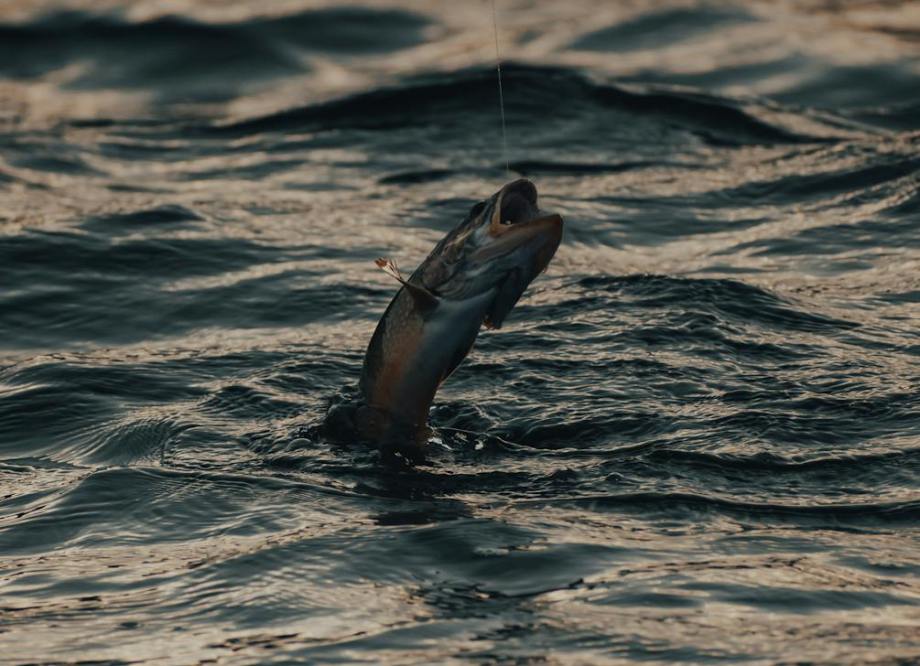
Walleye and muskies are powerful fish, especially in the Midwest where they have the strength to bring to light the great divisions between Native and non-Native peoples, to show us our failures, and to teach us and guide us in the right way to go, if only we will listen.
This spring Lac du Flambeau tribal hatchery officials discovered that spawning levels of the walleye and muskies on the reservation lakes were dangerously low. Their response was to close 19 lakes on the reservation to non-tribal fishing. Tribal members who fish on these lakes are strictly monitored and regulated by the tribe with bag limits and measurements of each fish. Tribal game wardens are lowering bag limits for tribal members as part of addressing the issue as well.
We all know that fish don’t magically appear in the lakes waiting to be caught and eaten. I think we recognize too that as our society’s habits of overconsumption of just about everything continues the lakes and the beings that reside within them are at greater and greater risk. Management becomes a more and more essential tool to assure we will have fish to eat into the future, that our children and grandchildren will know the pleasure of fresh walleye caught from Wisconsin’s lakes.
We ought to by now also understand the meaning of sovereignty. The Lac du Flambeau Ojibwe are a sovereign nation with the right to govern and care for the resources within the reservation. The state of Wisconsin should be standing with the Anishanaabe people in protecting the waters and the beings within those waters, not building hostilities between Native and non-Native peoples with lawsuits that only support over fishing. We have roughly 700 lakes in Wisconsin that have muskies and over 900 that have walleye. Why is Wisconsin trying to prevent the Lac du Flambeau people from protecting the future of these few lakes within their territory?
This isn’t a story about where white people are or aren’t allowed to fish this year. This is a story about protecting the waters so that we might all have fish to eat for generations to come. I hope and trust that the wisest of the sport fishers, those who care about the future of fishing, the future of their families, and the future of our state will come forward to tell the world that we must stand together Native and non-Native and listen to what the fish are telling us if we are to survive.


I hadn’t heard about that controversy. I hope with the closures, the fish populations can recover.
LikeLike
The state is suing the the tribe, claiming the tribe doesn’t have the right to close the lakes from fishing by non-Natives, so for the moment the lakes remain open.
LikeLiked by 1 person
I also just heard that WI is closing some of its fish hatcheries. That doesn’t bode well for the fishery, either!
LikeLike
I’m sorry to hear that.
LikeLiked by 1 person