We are in a hard time of struggle both internal and external. It is a time to find our something to hold on to that keeps us safe while we grow strong with love.
We are in a hard time of struggle both internal and external. It is a time to find our something to hold on to that keeps us safe while we grow strong with love.
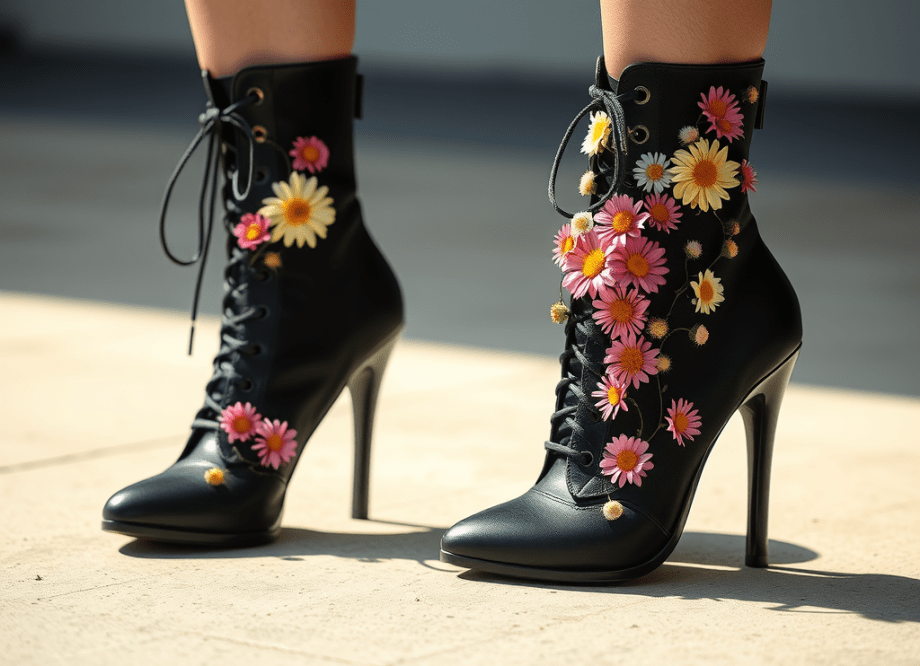
The author reflects on a significant dream during a challenging time as a teacher in special education, feeling emotionally drained. In the dream, a circle of supportive women offers her unique boots, symbolizing empowerment. Ultimately, she overcomes her fears and joins their dance, illustrating how dreams can inspire us to persevere.
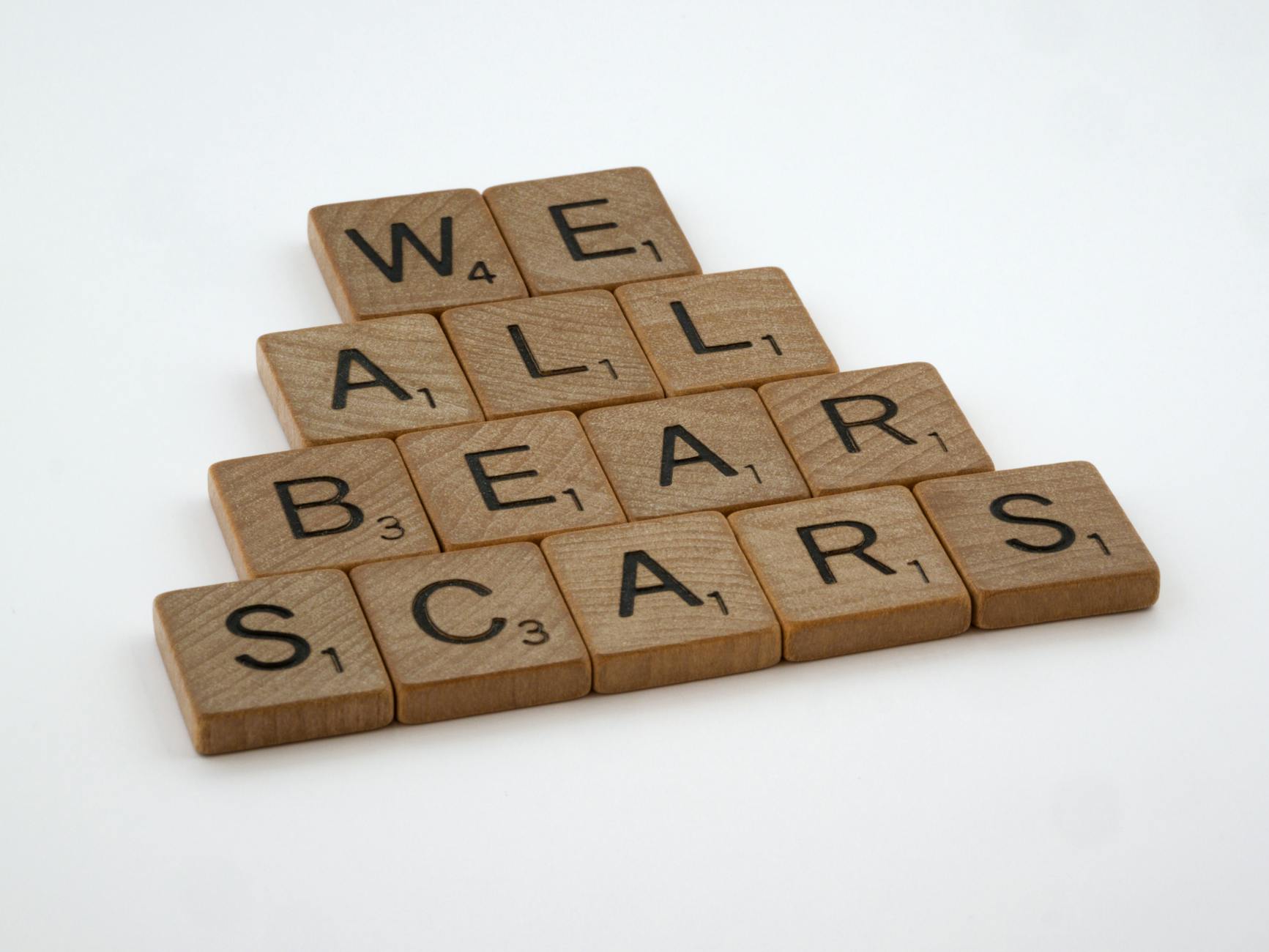
I got hit in the face this past week. I’m a special education teacher these days, so in my current line of work while that’s unexpected it’s also very much expected. It’s basically just a bad day at work.
Over the past few years I’ve been hit, kicked, shoved, scratched, bitten, sworn at, threatened, had desks, chairs, and all sorts of other stuff thrown at me, and dealt with and been covered in just about every bodily fluid elementary school students can excrete, not to mention being covered in all the globs of macaroni and cheese or whatever other food is on the menu. So, why note getting hit? It wasn’t a bad punch. It knocked off my glasses, but didn’t break them or even leave a physical mark. It was one of those hits that came at the wrong time though and for that moment I broke into tears.
It happens to all of us who work in our schools today, especially in schools like mine that serve significant populations of students who are from low income families, struggle with maintaining housing and paying their bills, and who often have generations of history that tell them school success isn’t meant for them. Eventually, our hearts break.
I felt the tears come to my eyes as soon as the student’s hand hit my cheek. I knew I needed support to address the situation, so I called on a staff member in the hall nearby to takeover and I walked as quickly as I could to the office space I share with the other special education teachers at my school. I was crumbling. I was a broken mirror in which each of my colleagues could see themselves. One went to get ice and a health care staff person to check my cheek. The others each offered support and let me cry out my tears. They created a safe space for me for which I will always be thankful.
The hit hurt not because of the hand that landed on my cheek, but because I’d spent my day, like more and more days lately, trying to help not only this student but others, my students who simply don’t have the emotional skills to handle being homeless or dealing with any other horrendous and unfair situations they and their families are in. So often their emotions fly all over. One moment they seem to be fine, calm and settled. The next they’re screaming and throwing chairs. It worsens as their life situations become more chaotic and all I can do so often is just try to be that steady safe person they can trust. That can be good and it can be hard. After all, I’m the one they know won’t hit back. They can show their anger, fear, and sorrow, and it hurts.
It’s tiring. I don’t know how to change the situation in our schools, but I do know it can’t go on like this. I took a day off to just take care of myself before coming back to help my kids again. That helped me for the moment and gave me the strength I needed to give to these kids again, but it’s no solution. We ultimately have to stop focusing on teaching subjects and start focusing on teaching and caring for kids. There has to be a way. These beautiful kids deserve the best.
Like millions of others around the world and thousands here in Madison, I stood holding a candle last night to honor the passing of Renee Nicole Good and the far too many others who have been murdered along with her by ICE. Standing there in the cold I found myself thinking about the past 30+ years that I’ve spent standing on those capitol steps at rallies and vigils, working toward justice and peace, and recognizing the connection of my years to the those of others. We’ve stood for so long and each time the crowds are larger and stronger.
I thought about the Anishanaabe prophecies of the eight fires and wondered if we are indeed at that place spoken of in the seventh fire where we are facing that critical choice between destruction and balance. I believe we are and we must seek that balance both internally and as a whole if we are to find peace. Afterall, peace doesn’t come through war. I wish I had some answers. All I know right now is that we must reach out in peace. We must find those seeds of joy admist the chaos and nuture them, help them grow into the trees of celebration that they are meant to become.
In this moment I am just reaching out to all of you, my brothers and sisters in the struggle and sharing this electronic hug and wishing you love in your lives.
Last January, I leapt in to my New Year’s resolutions with vigor and excitement, focused on four areas- creativity, spirit, health, and connection. I had just read Gretchin Rubin’s book, “The Happiness Project” and decided to take on my own happiness project. I was excited to see where the project would take me and who I would become.
This time around I’m walking into the new year both tired and comfortable, but still with a fire that burns like the end of an incense stick. It’s small, but glowing, smoking, filling the whole room with a joyful, warm scent making the space come alive. I’m worn from the year at work. Special education is one of the toughest careers I’ve taken on in a life of many changes. I left school this year for winter break only to get hit by the flu. Between being sick and just being wiped out from teaching, most of my break was spent either sleeping or just laying low in my apartment trying to regain my energy.
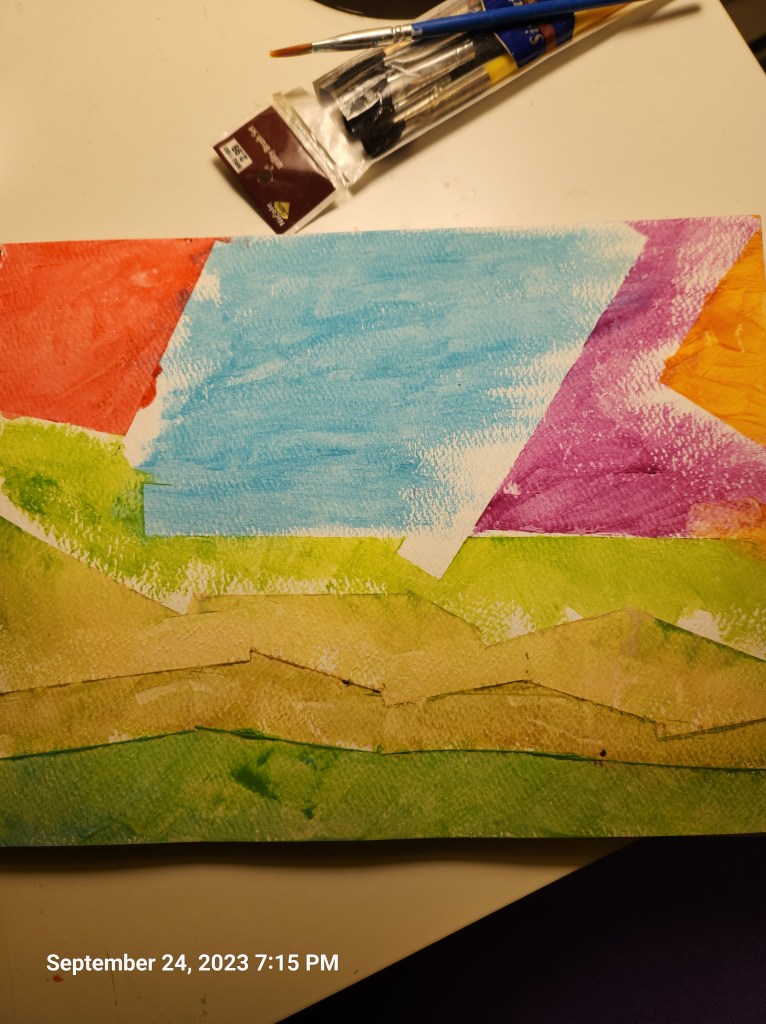
I still love that idea of the Happiness Project. I gained a lot from it over the past year, building my meditation practice, reminding myself of the importance of balance, encouraging myself to pull out my art supplies, and learning that when fun becomes work it often fails to be fun anymore.
This year is special because it is the year that I am as old as my mother ever was. If I am lucky enough to keep on keeping on, I will have seen more years than she ever did. That seems so strange to me. She was so much older and wiser than I could ever dream to be, yet here I am. It seems something to celebrate and reflect on as it is both beautiful and confusing.
So, what do this year’s resolutions look like? How do I grow in gratitude and happiness? How do I come to know the woman who raised me and honor her existance?
I expect that a lot will continue from this past year. I’ll keep building my meditation practice. I’ll keep encouraging myself to delve deeper into my arts. This year I’ll be working on my children’s book “The Magic Blanket,” a story of my mother’s passing. It will be my first book and, with luck, maybe not my last. I’ll keep seeking balance in life, finding those ways to get out and play, not allowing myself to get to caught in my work life, and continuing to honor the life I’ve been given with good food, exercise, play, song, and celebration.
It doesn’t have the same structure and I won’t be tracking my progress in a detailed, daily way, but it’s written now so I have a place to come back to, to see if I’m doing what I’ve wanted to and to hold myself accountable. What are you seeking in the year coming?
I was 17 or 18 when our family doctor first gave me told me that I was in danger or being defined as anorexic. I was 5’9″ and weighed about 110lbs. Years later I was cleaning out my closet and found a stash of booklets about eating disorders. That was it. That was the extent of my treatment.
I don’t think anorexia was ever the right term for my relationship with food, but it was mostly the luck of going to college and finding ramen noodles that kept me in the triple digits.
It all goes back to a refrigerator packed with salads, casseroles, and everything else to keep us alive and functioning. I was 12 years old. Mom was sick and she wasn’t going to get better. Family and friends came to visit and help care for her and watch me. When she went to the hospice the nurses used to make sure the fridge was stocked with pudding pops just for me. There were none there the day she died. Dad and I went home to a fridge packed with food that kept coming and coming.
I remember the day of her funeral. I ate 13 ham sandwiches plus who knows what else. I couldn’t fill the hole. We went home again to that fridge filled with casseroles and salads and leftover funeral food. It was too much. I couldn’t even look at it all. I just went to my standbys. I ate frozen pizza, chips, pretzels, and Franco-American spaghetti-o’s and ravioli. Nothing worked. Nothing filled the hole.
Dad saw it happening. He saw all the food in the fridge that friends and family brought us and he saw the garbage I was eating. He knew it wasn’t okay. He knew something was wrong and that he had to do something. It was the 1980’s and he was a middle-aged man picking up the spatula. He did his best to be sure that my brother and I had good food to eat. I tried to eat what he cooked. Fresh and homemade it didn’t fill the hole any better than my junk food disaster.
The hole kept growing. By my late teens I was feeling truly lost. I came to a point when my body and soul were so broken that I couldn’t take it in anymore. I literally couldn’t swallow. It wasn’t that I wanted to lose weight or didn’t want to eat. I couldn’t. I couldn’t swallow anymore. It hurt. So, I stopped.
Lot’s changed over the years. I’ve done a lot of work to address the sorrow of losing my mom and to see myself in a better and clearer light. I never did get that eating disorder diagnosis, but I still understand that hole and still question that relationship.
I’ve used a low-glycemic diet for the last several years to help address my epilepsy. I decided a few months ago that it was time to end the diet. Tonight, as I wander into the new year, I’m asking myself “how do I go forward?” My whole life food has been both a hideaway and a control tool. That little girl eating 13 ham sandwiches to hide from the pain of death or the me today that weighs myself at least once a day usually twice. I’ve been able to use counting carbs as a tool to fight epilepsy. I don’t know that it helped me, but I kept trying because I can count my carbs and I lost nearly 60lbs from a once obese state to a “healthy” weight. I could be in control. I could never fill the hole with food, but I could control it, but that depends on maintaining control. I find myself asking, “who’s in control here, me or the food that I eat or don’t eat?”
I’m asking myself tonight if it’s okay to order a pizza. I’ve been asking myself that same question all afternoon. It shouldn’t be that hard of a question to consider, but yet all the ups and downs of my dietary life leave me wondering if a pizza will leave me ill or destroy me or if it’s something that is just simply okay, something I can do and enjoy.
This has been a bit of mess of a piece to write, but at least it’s out. Maybe I’ll be able to create something more clear and well written in the future, but this is the mess I feel in the moment.
It was in November of 2024 that I first came across Gretchin Rubin’s book, “The Happiness Project” and decided to take on my own happiness project.
Last January I leapt in, focused on four areas- creativity, spirit, health, and connection. I went online and bought a planner to help me track the process and think through my direction. I set clear, measurable goals, and jumped. I started out with 15 minutes a day of creative time, 15 minutes daily of meditation, and 15 minutes daily of stretching/opening exercises. I started strong. By April these things began to feel like habits and I sought more. I added in time to make music, get outside, and to read for pleasure. As spring warmed I took that idea of getting outside and started running again. By mid-summer I was running about 10 miles a week and really loving it along with building my community connections through volunteering at the zoo and the MSCR pontoon boats.
Each of things was something that I enjoyed, but by August I learned there was something I didn’t like anymore. I didn’t like my planner or being committed to doing all of the things that I’d added to my list. While I loved to play with art supplies, I didn’t like having to make sure I did my 15 minutes a day of creative time. The same was true for meditation or music or anything else. I’d somehow taken so many things that were so fun and relaxing and made them into jobs that I had to do or I’d have failed. That wasn’t what I sought to do. How had I taken this stress reduction exercise and turned it into a stressor? It collapsed and I collapsed.
As school started again I got lost in the new year, preparing for all my students and trying my best to stay afloat amongst the growing icebergs of work that are the life of a special education teacher. The best I could do in the moment it seemed was to let go of the structure of my “Happiness Project.” I had to let myself not create, not meditate, not make music, not run, not play outside. It seems a strange way to approach it I suppose, but it worked. I decided for myself, unknowingly I’ll admit, that the project was no longer a job for me and I didn’t have to do it.
It took some time where I didn’t meditate or run or create or do much of anything that I’d set out to do in the beginning of the year, but after a month or two pieces started to drift back in. I meditate daily now. My creative time has been knitting almost daily. I started running again in the fall and did a 5k. I’m cutting my tv time and increasing my time reading fiction. The one thing that I’ve not returned to though has been my planner. I have learned that while happiness is intentional it can’t be overplanned or it becomes work.
My work for social justice for the past few years has largely been working in special education. It looks a lot different than my days running non-profits or organizing on the streets, but ultimately the same questions are there. It’s always about recognizing the underlying issues if we want to find the long term answers.
Because of the federal government shut down SNAP is running out. Millions of people will be losing the benefits that make it possible for them to feed themselves and their families on November 1st. Many states are jumping in to hold off the crash and to keep people fed.
As a teacher at a school that serve many families that receive SNAP benefits, I’m wondering what’s going to happen. How long will states be able to keep their finger in the dike to stop the hunger flood? What will be cut from those state budgets to make it possible to keep the families fed?
Mostly, I find myself asking what happens not only in the loss of SNAP but in the fear of the loss? When families are in that spot of having to choose whether to buy food or pay rent, which will they choose? So many families are already making tough choices to make ends meet and it impacts our kids far beyond the dinner table. Families are choosing between buying food or paying for gas. When they can’t keep gas in the car, kids don’t get to school. In many schools this means that not only are they losing out on their education, but they’ve also missed out on breakfast, lunch, and probably a snack which they were entitled to via free and reduced meal programs. It’s an awful circle. Not enough money for food and gas, so buy gas, then no food at home so skip eating from lunch until the next day. Buy food and well, can’t get to school and parents can’t get to work.
I wonder how our attendance rates will be affected in upcoming weeks with tightening budgets and already stressed parents facing yet another strain making it more and more to keep themselves together and get their kids to school. I wonder how behaviors will change. Kids are ultimately mirrors of the stresses in their parents’ lives.
How to we amplify the voices of these kids and their families so that those in Washington can hear them? How do we make their struggle visible? How do we take this moment in time of losing SNAP and point to where it leads us with kids going hungry, struggling in school, struggling in life, and just not going anywhere?
It was a great rally. It was many great rallies. It was more than 7 million people out in the streets saying “No Kings!” It was also simply a tool in the process of organizing.
I started as a professional community organizer back in the late 1990’s working for an organization called SOCM in East Tennessee. I was just out of college and had the justified anger and the will to fight every day for social social justice and the big environmental wins. I was there to stop the multinational corporations that were clearcutting the foresting and stripmining the hills. I knew if we just fought hard enough, rallied enough, yelled loud enough, we would win. We had to win. There was no other option. We had to save the world.
Every month I had to take on the hardest struggle of my organizing work. I had to first write my work plan then, even more challenging, I had to sit down with my boss, Mo, and review and edit that work plan. Every single month Mo would ask me the same question multiple times as we went down my list of things to do. She kept asking me over and over– “How does this move the work forward?”
That question still echoes in my mind. “How does this move the work forward?” Rallies are great. They are important. Writing to your legislator, voting, writing letters to the editor, signing petitions, volunteering, and some many activites are wonderful things. But, we must remember that each is simply a tool. What is it that we are working to do? It’s not enough to simply point out that Trump is not good for the US or the world. We have to develop and work toward a different answer.
Are we working to save democracy? What does democracy really look like? What is the role of the grassroots in a healthy, functioning democracy? Once we start asking ourselves those questions and really coming up with our vision of what a healthy, functioning democracy based in the power of the grassroots might look like then we can speak to that question “How does this move the work forward” with each and every action that we take. Each thing that we do needs to move toward the goal.
We don’t rally for the sake of rallying. Rallies are a tool. Let’s use them in the best ways possible. Let’s ask ourselves “How does this move the work forward?” When we make our path and goal clear the seven million engages beyond the day of the rally and the movement multiplies. We can win. First step is knowing what winning is. Is our goal to save or rebuild democracy or is it simply to get Trump out of office? Second step is figure out what we need to meet that goal. Third step is to determine how we get those things that we need whether it be redistricing or strong presidential candidate or any of a hundred other things. Next we prepare to act while asking ourselves every step of the way, “How does this move the work forward?”
It is a long and hard journey. We know that. We also know that long journeys are often much easier once we pull out a map. It’s time to create our map of where we want to go.
I read Gretchin Rubin’s bood “The Happiness Project” last fall and it inspired me to start my own happiness project in 2025. As we move into spring, I’m proud to say that its still going strong.
In January, I started the project by dedicating 15 minutes a day to creative time, 15 minutes to meditation, and 15 minutes to stretching using Qi Gong, yoga, or other similar exercises to open mind, body, and spirit. What I’ve learned is that it’s okay to sometimes skip a day to not let these gifts become a chore. It’s important that each is seen as a gift and celebration in and of my life in order for me to stay committed and keep growing with them. Now, after just over three months I feel steady starting each day with my meditation time and ending each day with creative time and a brief stretch before settling into bed. These tools have become something to look forward to. I feel my body opening up and have seen that I’m calmer and slower to grow frustrated with the stressors in my life. It’s easier to work each day at school with those kids who are struggling in so many ways. I am really thankful for settling into these habits in this time of societal upset. I think they’re a big part of keeping my balance.
In February, I added a new goal. I decided I’d been watching too much tv so I opted for two days a week without any. Some weeks I succeeded and some I didn’t. What I learned though was that operating from a perspective of denial made me grumpy with myself and I didn’t like it. I found myself questioning- why am I doing this? It wasn’t something I could look forward to.
As we move into April, my goals are changing. I’ve decided that meditation, stretching, and creative time are settling in as habits. I can move forward with these. Denying myself tv time on its own just doesn’t feel good, so I’m letting it go though I expect that my new goals may just help me cut my tv time from a more positive perspective. I’ve opted to add in three new goals. For the next three months or so, I’ll be working on getting out to spend additional time playing outside in natural areas hiking, boating, biking or otherwise just being at least twice a month, making music at least two ours a week, and reading for pleasure at least 15 minutes a day.
So far my new goals have been going great. Walking along Lake Mendota with my dog yesterday was fantastic. I love the water! Revisiting the “Chronicles of Narnia” which I read in my youth has been lots of fun as has listening to “The Hobbit” which perhaps surprisingly I’ve never read before though I saw the movie. My dog has handled me getting out my old flute very well and getting together with friends for a weekly singing circle always brings a smile to my face.
It all reminds me how important balance is. I know I am a person who so easily gets sucked up by my work and needs to be intentional. Happiness 2025 is really helping.
What are you doing to find and maintain your joy?
Pilgrimage; Walking with Purpose.
Every step for a brighter path
True wealth is the wealth of the soul
Maximize Your Happiness, Well-Being, & Life Satisfaction
Gaming News and Review
Discover expert TEFL guides and digital nomad tips from 12+ years of experience. Start your teaching journey abroad or online with our free resources today!
Shape Your Mind, Body, and Spirit to Prosperity
visionary author
This site is about overcoming the struggles of Leukemia and the struggles of the effects of the post stem cell transplant.
Enjoyable Information. Focused or Not.
Let's Reduce, Recycle and Reuse!
So the world is ending ... now what?
Current Events - Activism - Progressive Takes
Progressive News and Activism
 Sustainable Life In Action