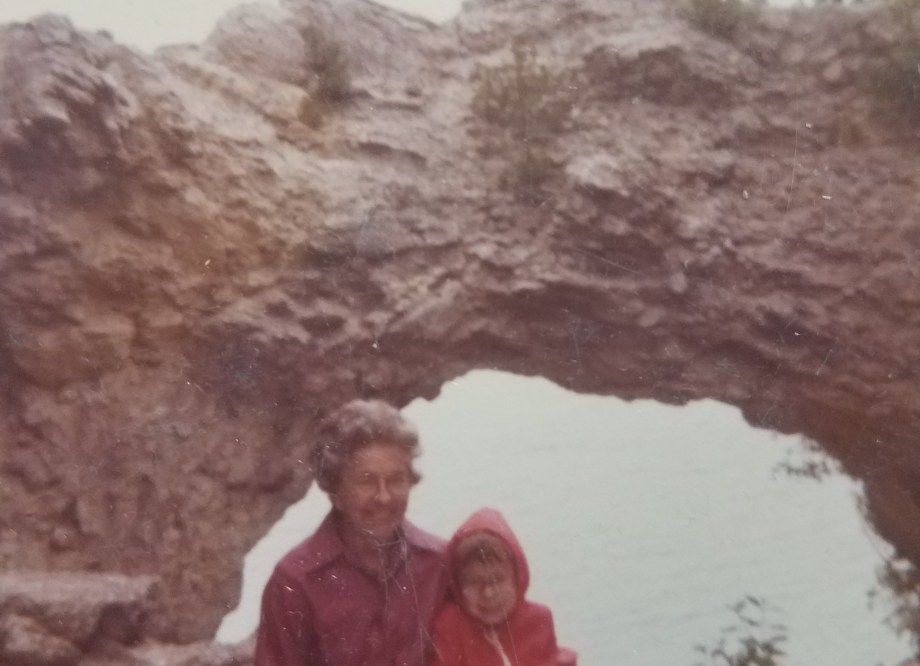
I set two goals for this year. The first was to honor and commemorate my mother’s life through celebrating my own living, as this is the year that I, with some luck, will pass the age at which she died. The second goal was to read at least fifty books. This weekend those goals came together.
On Friday evening I attended a potluck hosted by the Quaker meeting that I attend. It was a small group referred to as a “Friendly Eight,” designed as an opportunity for small groups of meeting attendees to get to know each other better and build friendships. Before dinner, I was visiting with a woman I’d not met before. We were doing the regular “what do you do?” type discussion. I happened to mention that along with my paid work I’ve also been focused on writing a children’s book and that the book was inspired by my mother’s passing when I was a child. That was when she suggested to me a book that I might want to read. Motherless Daughters: The Legacy of Loss by Hope Edelman.
I picked up a copy at the downtown library yesterday morning and I was hooked. It seemed she was telling my story. Mom’s death did define me. I wonder sometimes who I would have become had she lived. I wonder who we both would have become and who we would have become together. Her death always made me alone. No one could understand what I’d been through, not even my siblings who’d been through the same. At least that’s what I felt for my years of grieving and as I began to heal. Edelman estimated in 2003 that there were more than 1.1 million women and girls who’s mothers died during their childhood and adolesence. More than 1.1 million of us who were traveling alone in our experience.
I am struck to by all I don’t know and don’t remember. There are pieces that are engrained in my mind, but so much that is missing. I was six when Mom got cancer and twelve when she died. I remember the wigs and the prosthetic breast. I know she went to chemo treatments. I remember the hospital bed that replaced her and Dad’s bed in their room. I remember her walker. I remember the hospital room and the day of her death. But, I don’t remember her getting sick. She was healthy and then she wasn’t. I know it happened over some time. There are pictures of my birthday party some eight months before her death. We were gathered all around her in a hospital room. I know she returned home for some months, but never returned to full health. I remember sitting on the couch with her, teasing her about her swollen abdomen saying, “You’re not really sick. I’m just going to have a baby brother or sister.”
It was probably only a few weeks later that she went to the hospital for the last time. There were so many people in those weeks before her death. I remember my first grade teacher, Sr. Patricia, coming to our house to give her communion, aunts, uncles, family friends. Our refrigerator stocked with jello salads and caseroles, aunties making sure we were fed when she could no longer cook for us.
I don’t remember her getting sick. It just happened. I remember Grandma crying at the wake and telling one of the grownups, maybe it was my dad, that she wouldn’t be around long now that my mom had died. She’d die too. She did. She died about five months later. I don’t remember her funeral or wake or burial or anything. I remember being at her house after her passing and that her Christmas cactus which had grown so large it was planted in a washtub, couldn’t be divided. It had gotten root rot. It had died with her. That’s all I remember.
I don’t know what this all means, but it feels that it needs to be written. I am one of the millions of motherless daughters traveling this world alone together and healing through our lives.
 Sustainable Life In Action
I’m glad you’ve found a book that is helpful. A parent’s death is hard at any time of life, but especially for vulnerable children.
LikeLike
It’s a fascinating book. I’ve just gotten through the chapters speaking to how children and young adults of different ages respond differently to loss of their mothers. It really accurately reflected my experience and gave me a different perspective on what my sisters experienced. It also left me with lots of questions about my brothers’ experiences.
LikeLiked by 1 person
I’m so impressed with your journey and the ways you have made children a part of your life in many ways, Amy. I’m glad I clicked through and read your article. I was just going to respond that I had passed a similar milestone, getting to the age my father was diagnosed with Lewy Body Dementia and still having most of my mental capacity. Good luck with your endeavor. Happy to have met you way back when in Grassroots Leadership College and had this strange Facebook connection even though I likely haven’t seen you since then.
LikeLike