Protests continue and activism is growing in the US today. We struggle against a great deal. What are we struggling for? What might we learn from our elders and history?
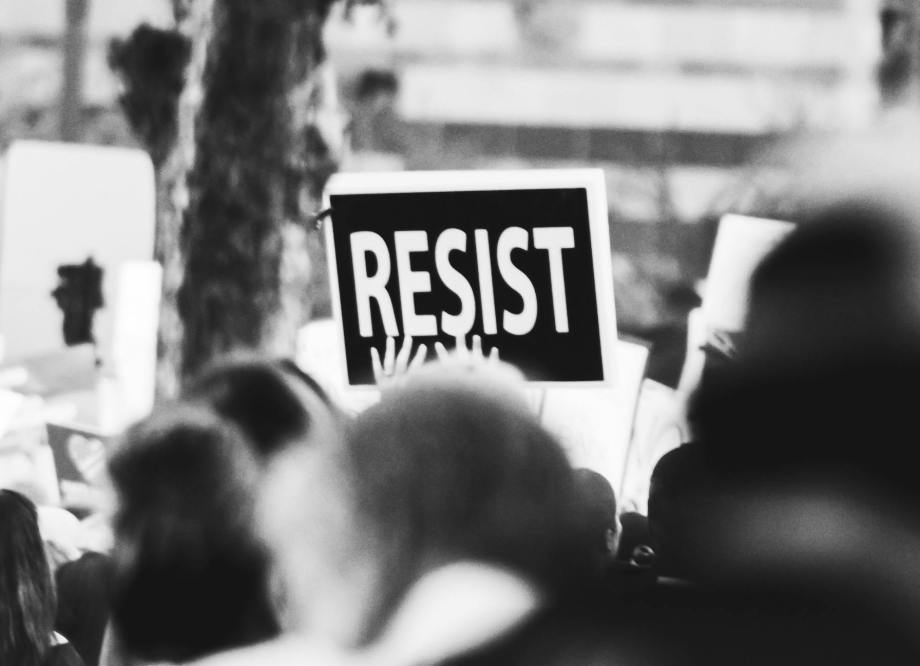
Protests continue and activism is growing in the US today. We struggle against a great deal. What are we struggling for? What might we learn from our elders and history?
It was a great rally. It was many great rallies. It was more than 7 million people out in the streets saying “No Kings!” It was also simply a tool in the process of organizing.
I started as a professional community organizer back in the late 1990’s working for an organization called SOCM in East Tennessee. I was just out of college and had the justified anger and the will to fight every day for social social justice and the big environmental wins. I was there to stop the multinational corporations that were clearcutting the foresting and stripmining the hills. I knew if we just fought hard enough, rallied enough, yelled loud enough, we would win. We had to win. There was no other option. We had to save the world.
Every month I had to take on the hardest struggle of my organizing work. I had to first write my work plan then, even more challenging, I had to sit down with my boss, Mo, and review and edit that work plan. Every single month Mo would ask me the same question multiple times as we went down my list of things to do. She kept asking me over and over– “How does this move the work forward?”
That question still echoes in my mind. “How does this move the work forward?” Rallies are great. They are important. Writing to your legislator, voting, writing letters to the editor, signing petitions, volunteering, and some many activites are wonderful things. But, we must remember that each is simply a tool. What is it that we are working to do? It’s not enough to simply point out that Trump is not good for the US or the world. We have to develop and work toward a different answer.
Are we working to save democracy? What does democracy really look like? What is the role of the grassroots in a healthy, functioning democracy? Once we start asking ourselves those questions and really coming up with our vision of what a healthy, functioning democracy based in the power of the grassroots might look like then we can speak to that question “How does this move the work forward” with each and every action that we take. Each thing that we do needs to move toward the goal.
We don’t rally for the sake of rallying. Rallies are a tool. Let’s use them in the best ways possible. Let’s ask ourselves “How does this move the work forward?” When we make our path and goal clear the seven million engages beyond the day of the rally and the movement multiplies. We can win. First step is knowing what winning is. Is our goal to save or rebuild democracy or is it simply to get Trump out of office? Second step is figure out what we need to meet that goal. Third step is to determine how we get those things that we need whether it be redistricing or strong presidential candidate or any of a hundred other things. Next we prepare to act while asking ourselves every step of the way, “How does this move the work forward?”
It is a long and hard journey. We know that. We also know that long journeys are often much easier once we pull out a map. It’s time to create our map of where we want to go.
The energies are building and it is fantastic. People will be gathering in small towns and large cities around the world on April 5th to protect democracy in the US. For someone who’s been working on social and environmental justice issues since the 90’s, it’s exciting to see.
It’s always great to see these times when the big rallies happen, drawing everyone from the babies in strollers to the elders with walkers. These gatherings are important for many reasons. They are a way to let those in political power know that we’re here and what we expect of them. They are also a tool to educate the public as well as to share ideas amongst our fellow activists. Perhaps most importantly, they are a space in which to make connections and build our community. Which brings me to that question of what happens on April 6th?
After this upcoming day of action we will be in a completely different world and yet nothing will have changed. Large scale protests can both empower and disappoint when we wake up the next day and find there is no immediate answer. If we look at history, we learn that while the marches and rallies were what we shown through the media, it was the months and years of work between those marches and rallies that made the huge changes.
I encourage us to be prepared for that feeling of empowerment and dismay after the rally and to talk with our fellow protestors about what will we do after the rallies to create the society that we believe in. Note that I’m not saying simply to stop our current administration, but to create the society that we believe in. How do we create community and connect with eachother?
Maybe for some of us it is continuing to write our legislators for others it may be running for office. Some will start community gardens or coordinate infoshops to create spaces for people to come together growing food and sharing resources. Maybe a few will develop training programs to teach people how to do community organizing or coordinate educational events to share the stories of the many great grassroots organizers and activists who’ve come before us so that we might learn from them. There is so much to be done. There is a role for everyone.
How do you figure out what your role is? I’ve been doing this work for a long time and I don’t always know, but there is a story that might help. Many Native tribes in the US speak of the seventh generation. My friend Walt, an Anishanaabe man from the Red Cliff reservation on the shores of Lake Superior, used to speak of it in this way. He’d tell people to imagine yourself looking down a long tunnel, at the end of that tunnel is a baby. That baby is the seventh generation. If you do what is right for that child seven generations from now, you’ll be doing what is right for today.
How are you continuing to be a part of the movement and growing community where you are?
Education, Information, Motivation
Epic fantasy & military sci-fi author.
Pilgrimage; Walking with Purpose.
Every step for a brighter path
True wealth is the wealth of the soul
Maximize Your Happiness, Well-Being, & Life Satisfaction
Gaming News and Review
Discover expert TEFL guides and digital nomad tips from 12+ years of experience. Start your teaching journey abroad or online with our free resources today!
Shape Your Mind, Body, and Spirit to Prosperity
visionary author
This site is about overcoming the struggles of Leukemia and the struggles of the effects of the post stem cell transplant.
Enjoyable Information. Focused or Not.
Let's Reduce, Recycle and Reuse!
So the world is ending ... now what?
 Sustainable Life In Action